
Manténgase sano!
- Posted April 23, 2026
Drop in NIH Funding Delays Thousands of Studies
Many scientists are waiting much longer than usual for research funding and some projects are now on hold.
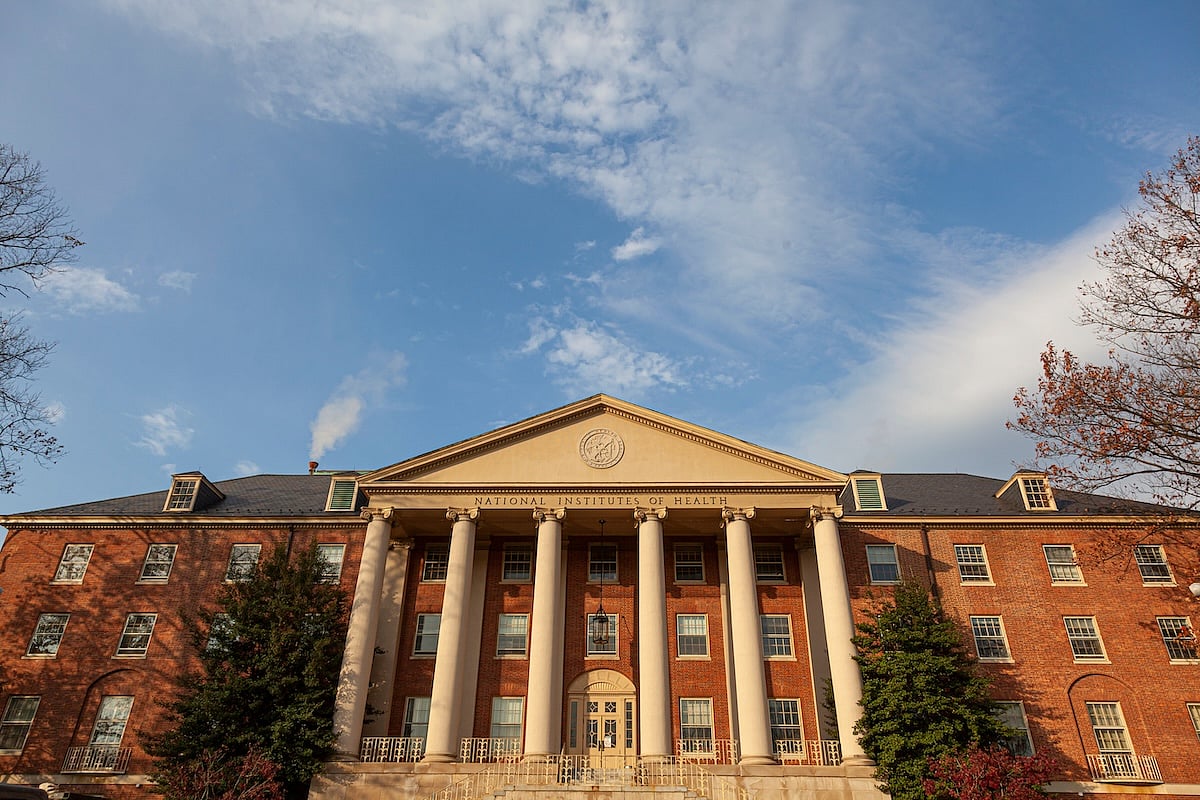
The National Institutes of Health (NIH), the nation’s largest funder of medical research, has fallen about $1 billion behind its typical timeline for awarding new grants this year, The New York Times reported.
From October through late March, the agency approved about 1,900 new and competitive grants. That’s fewer than half the number usually awarded by this point in the fiscal year.
The slowdown is affecting a wide range of studies, including research on cancer, heart disease, Alzheimer’s disease and more, The Times said.
At the National Cancer Institute, for example, about $72 million had been set aside for new research grants by late March. In past years, that number was closer to $250 million by the same time.
“It means that people get fired because there is uncertainty about whether the grant will come through,” Dr. Joshua Gordon, a professor of psychiatry at Columbia University and a former director of the National Institute of Mental Health, told The Times.
“It means budgets get busted. It means research projects get stalled," he added.
Several factors have contributed to the slump.
A government shutdown last fall delayed key review meetings for months.
At the same time, the NIH has lost thousands of staff due to layoffs and early retirements, leaving fewer workers to process grants, The Times said.
The agency has also added a new review step. A “computational text analysis tool” scans grant proposals for certain terms such as “racism,” “gender” and “vaccination refusal” to check whether projects align with agency priorities.
In some cases, flagged proposals are delayed while researchers rework them.
One NIH institute warned it could leave as much as $500 million in funding unused because it lacks enough staff to process grants.
Andrew Nixon, a spokesperson for the U.S. Department of Health and Human Services, which oversees the NIH, attributed the delay, in part to the earlier shutdown but added that funding timelines have returned to usual patterns.
“The NIH intends to obligate all appropriated funds, as directed by Congress,” Nixon added.
But some scientists are still concerned about the impact of the delay.
“This is lost time for all of us,” Dr. Michael Lauer, who formerly led external grantmaking at the NIH, told The Times. “Instead of spending their time doing science and hopefully making discoveries that will make us all healthier, they’re rewriting grant applications.”
More information
The Association of American Universities has more on the impact of NIH research.
SOURCE: The New York Times, April 22, 2026


