
Get Healthy!
- Posted April 13, 2026
Heart Risk Worse With Sleep Apnea That Varies Night-By-Night
MONDAY, April 13, 2026 (HealthDay News) — Sleep apnea might increase a person’s heart health risk even more than usual if it occurs irregularly, a new study says.
Sleep apnea already is known to increase risk of heart disease, high blood pressure and stroke, due to the strain it places on the body during sleep.
That risk could become even greater if a person’s sleep apnea fluctuates from night to night, researchers recently reported in the journal Sleep.
People whose sleep apnea changes dramatically are 34% more likely to have a heart attack, stroke or heart failure, researchers found.
“Many people assume sleep apnea is stable, but the reality is very different, and some nights can be much worse than others, and this repeated up and down strain may place extra stress on the heart,” lead researcher Bastien Lechat, a senior research fellow at Flinders University in Australia, said in a news release.
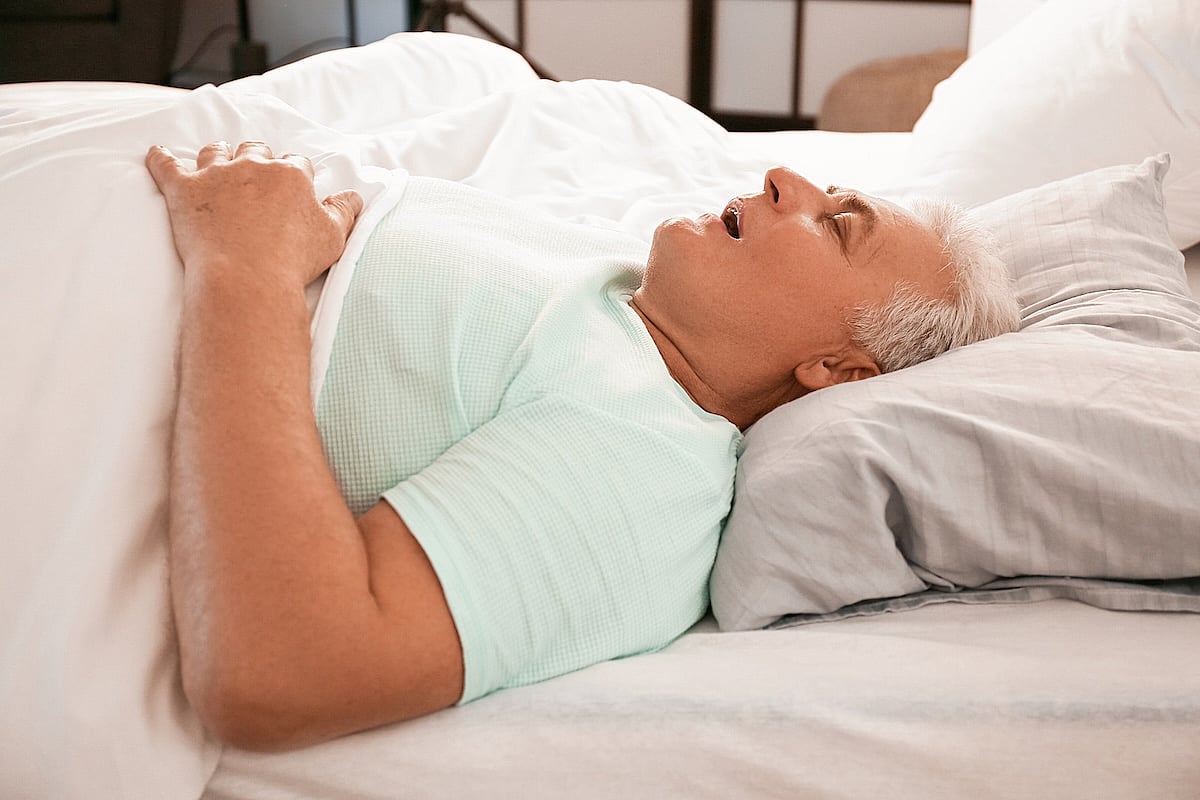
Sleep apnea occurs when your breathing stops during your sleep, causing you to wake up. These episodes can occur throughout the night, significantly harming sleep quality.
Most people tested for sleep apnea only have their breathing measured on one night, researchers said in background notes.
“A single night sleep test may falsely reassure some patients, because people with mild average sleep apnea can still be at higher risk if their breathing problems swing dramatically between nights,” Lechat said.
For the new study, researchers analyzed sleep data from more than 3,000 adults whose breathing was tracked using an under-mattress sensor.
This gave researchers several months’ worth of sleep data, which they could compare to the participants’ heart health.
Results showed that people with moderate to severe sleep apnea had 45% higher odds of a heart health emergency like a heart attack or stroke, compared to those with no apnea.
Independent of that, people also had a 34% increased risk of heart health problems if their sleep apnea varied greatly from night to night, researchers found.
These results might explain why heart risk can be difficult to predict in people with sleep apnea, researchers said.
“The body may struggle to adapt to repeated changes in oxygen levels and sleep disruption," senior researcher Danny Eckert, a professor at Flinders University, said in a news release. "These night‑to‑night swings can quietly stress the heart and blood vessels over time without being picked up by standard testing.”
He said doctors should consider testing sleep apnea over time, in the same way that tests for diabetes and blood pressure are conducted.
“Blood pressure and blood sugar are measured repeatedly over time, and sleep health should be treated the same way,” Eckert said.
For his part, Lechat emphasized that help is available.
“If you snore or feel unrefreshed after sleep, speaking with a health professional could help uncover hidden risks to your heart and there are many options available for treatment,” he said.
More information
The American Heart Association has more on sleep apnea and heart health.
SOURCES: Flinders University, news release, April 7, 2026; Sleep, March 26, 2026


